
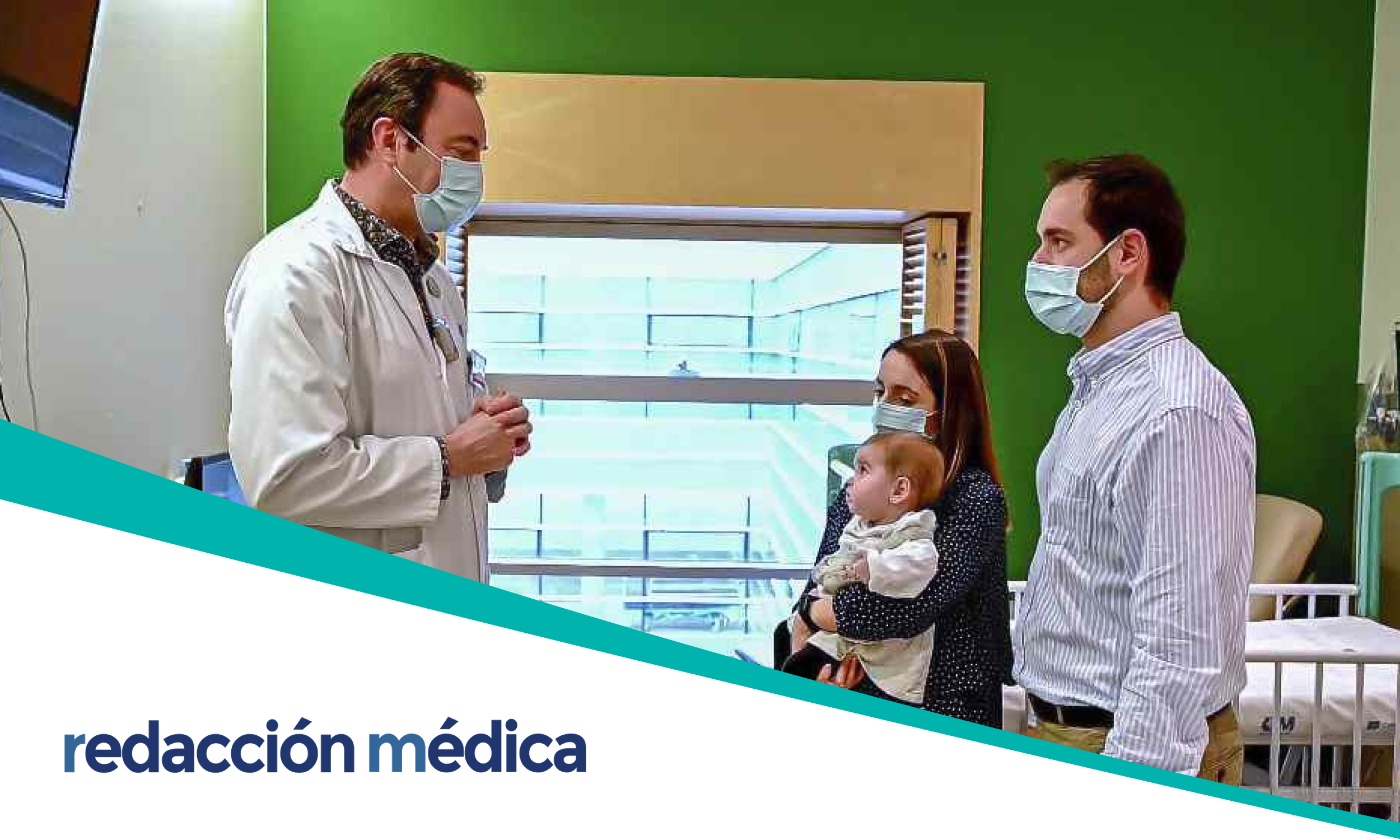
Researchers at Hospital General Universitario Gregorio Marañón have developed a treatment based on regulatory T cells extracted from thymic tissue — the thymus — marking a potential turning point in transplant medicine.
Preventing rejection and extending the survival of transplanted organs through cell therapy was once considered unthinkable. However, after seven years of research, the hospital’s team has achieved preliminary results that point toward a new era in organ transplantation.
“Sooner or later, the transplanted organ is rejected by the immune system, which is why most grafts last less than 20 years. With this new technology, we may be able to prevent rejection altogether,” says Rafael Correa Rocha, Head of the Immunoregulation Laboratory at Gregorio Marañón. He presented the early findings alongside Madrid’s Regional Health Minister Enrique Ruiz Escudero and Organización Nacional de Trasplantes (ONT) Director Beatriz Domínguez-Gil.
The project’s goal is to extend indefinitely the survival of transplanted organs and patients’ lives. According to preliminary results from one of the three infants treated with the therapy, that goal may be within reach: nine months after receiving the treatment, the child has shown no signs of heart rejection.
How Does the Regulatory T Cell Therapy Work?
The therapy is based on generating regulatory T cells (Tregs) extracted from the thymus — an organ located above the heart that is often removed during pediatric heart transplant surgery.
“In childhood, the thymus is very active. During adolescence it shrinks, and in adults it nearly disappears,” explains Correa Rocha. Regulatory T cells help suppress effector immune cells and prevent organ rejection.
What makes this approach innovative is targeting the original source of regulatory cells rather than extracting them from blood. Researchers were also surprised by the number of cells that could be obtained from the thymus.
“In a child, we can extract around 2,000 regulatory cells from blood, but up to 10,000 from the thymus. In addition, thymus-derived cells have longer survival and stronger regulatory capacity,” Rocha explains.
From Discovery to Clinical Application
Once researchers confirmed the viability of extracting regulatory cells from thymic tissue, they administered the therapy to three infants undergoing heart transplantation.
When the children received their new hearts, thymic tissue was collected, regulatory cells were isolated, and once the patients were stabilized — approximately 8 to 10 days later — the cells were administered.
“One six-month-old girl was transplanted in November. We recovered her thymic tissue and administered the cells seven days later. Nine months on, we are seeing the first results: she has developed a very large reserve of regulatory cells, and this population is being maintained. The balance between effector and regulatory cells is favorable, and we expect this to continue,” Rocha explains.
Key Benefits and Future Potential
According to the researchers, these preliminary results suggest that transplant rejection could be prevented and graft survival extended, potentially avoiding the need for retransplantation 15–20 years later.
Another advantage is that thymic tissue can be preserved to produce additional doses later — or even used for other patients.
“From a single thymus, we can obtain hundreds or even thousands of doses — not just for the donor patient. Because we collect the cells at their origin, they are not recognized as foreign. We may even be able to use them in an allogeneic setting. Due to their immaturity, adult recipients might not reject them,” Rocha explains.
Domínguez-Gil emphasizes that the ultimate goal is the induction of immune tolerance: “We must achieve immunological tolerance so that the transplanted organ integrates with the recipient’s immune system. We are talking about future patients without immunosuppressive therapy, which would reduce side effects. It could also reduce transplant waiting lists by lowering the need for retransplantation.”
For his part, Madrid’s Regional Health Minister Enrique Ruiz Escudero described the development as “another major milestone for Spanish healthcare.” He highlighted that Madrid led Spain in heart transplants in 2021 — most performed at Gregorio Marañón — and reaffirmed the region’s commitment to medical research and innovation.
“We are witnessing an unprecedented advance. When I say Madrid is at the forefront, I am referring to research like this. We must continue investing in medical research,” he concluded.
More info: redaccionmedica.com