
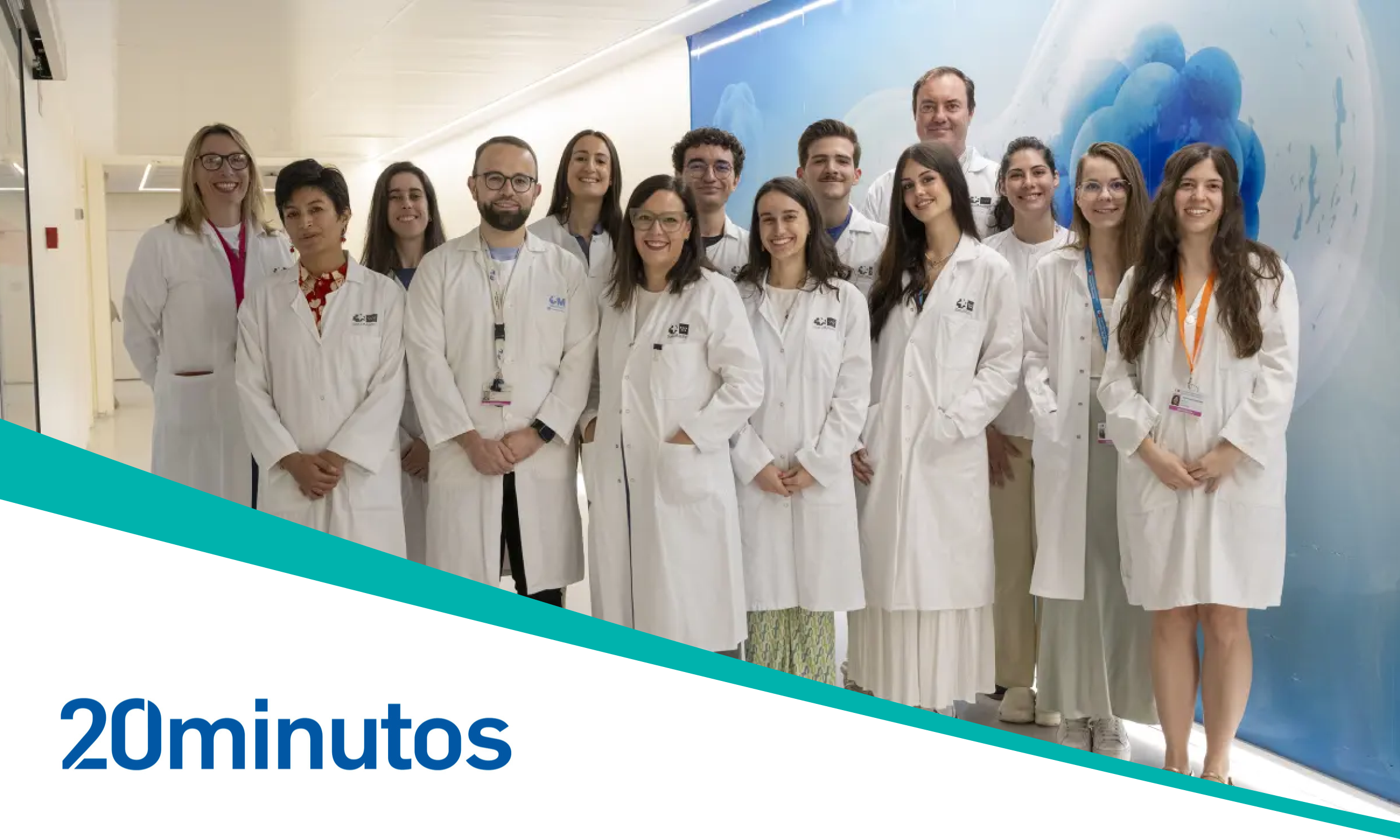
Preventing rejection after transplantation and improving the treatment of diseases such as Crohn’s disease or diabetes. Hospital General Universitario Gregorio Marañón is investigating a new therapy based on the use of cells extracted from discarded pediatric tissues that makes it possible to regulate the body’s immune response and prevent it from attacking itself.
This pioneering project, unique worldwide, is still in the clinical trial phase. However, preliminary results have shown that its use in children can prevent acute rejection after transplantation without the need for medication. In the future, its applications could increase life expectancy in transplant recipients by potentially extending organ viability indefinitely, while also improving quality of life for patients with other conditions.
“The therapy allows us to prevent acute rejection and increase the durability of the transplanted organ. We now aim to expand its use to autoimmune diseases,” explains Rafael Correa Rocha, Head of the Immunoregulation Laboratory at Hospital Gregorio Marañón. Potential future applications include diabetes, Crohn’s disease, kidney disorders, and liver disease. “In the future, it may also make it possible to reduce the dose of immunosuppressive drugs. That would represent a major benefit,” he adds.
Although commercialization may still take several years, the research team is confident that patients could benefit from this advance in hospitals much sooner.
Rebalancing the Immune System
The immune system functions like a large army that attacks any external or unfamiliar agent. It protects the body from disease and helps fight infections. However, in some cases this defense mechanism can become problematic — either because it is dysregulated and activates unnecessarily, as in allergies, or because it reacts against something beneficial introduced into the body, such as a transplanted organ.
The therapy developed entirely at Hospital Gregorio Marañón, which allows immune responses to be controlled and balanced, is based on the use of thyTreg cells, also known as regulatory T cells.
The hospital’s breakthrough involves extracting these cells from thymic tissue located near the heart. “We go directly to the factory,” says Correa Rocha. Previous research in other countries attempted to use Treg therapy with cells obtained from adult blood, but efficacy was limited due to the low quantity and quality of the extracted cells.
At Gregorio Marañón, researchers explored an alternative source: thymic tissue removed from pediatric patients. “We decided to explore this option, and the surprise was that we obtained a much higher number of cells, and of much better quality,” explains the head of the laboratory, where this therapy has been studied for 15 years.
Building a Future Cell Reserve
The thymus is routinely removed and discarded during pediatric cardiac surgery because it obstructs the surgeons’ access. In children, the thymus is larger than in adults, as it plays a key role in immune system development.

In the future, these discarded tissues could provide a cell reserve by freezing and storing the extracted thymic tissue. “At Gregorio Marañón alone, around 100 thymuses are discarded each year, and each one can yield hundreds of therapeutic doses. If we combine the tissues from all hospitals, there would be no limitations,” the researcher explains.
More info: 20minutos.es