
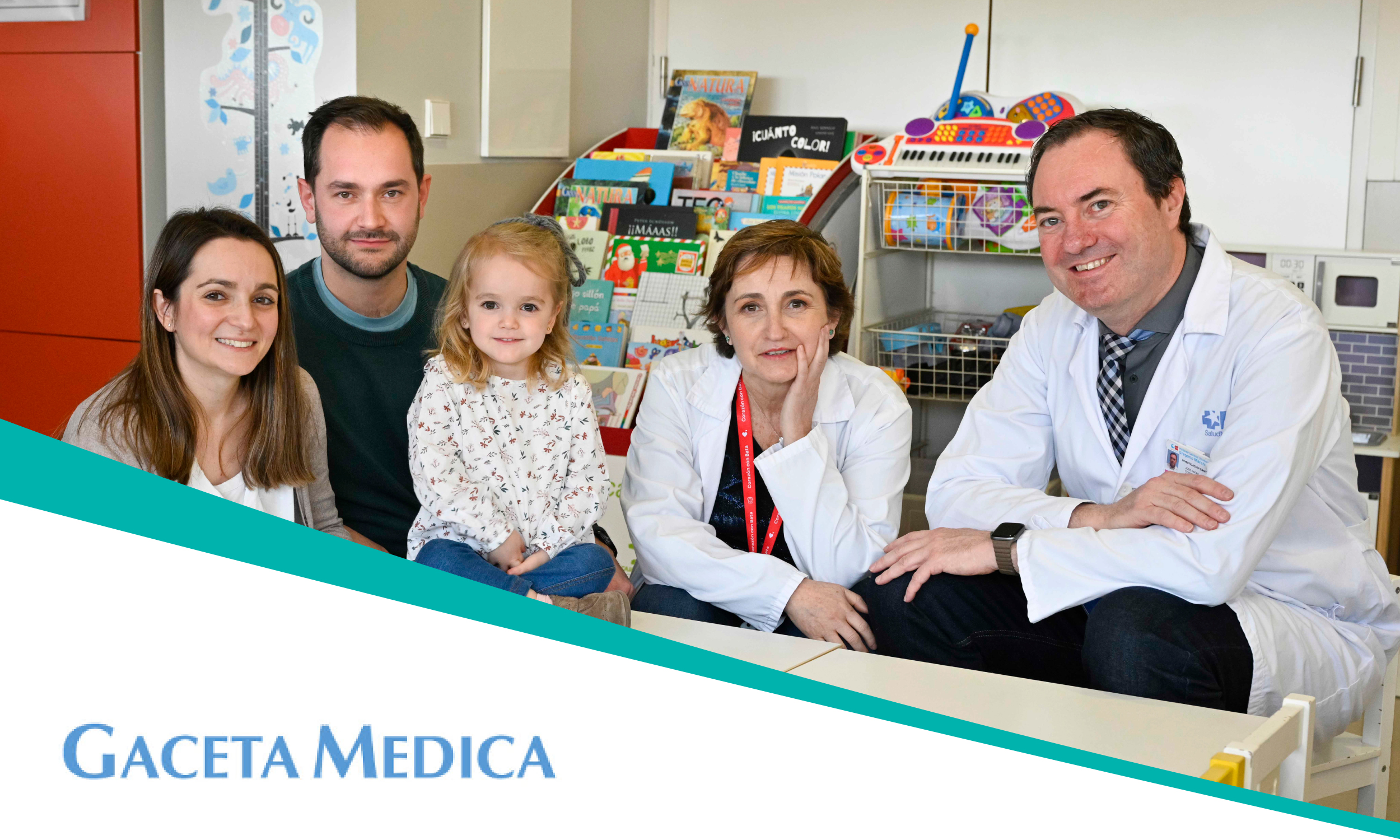
The Madrid-based hospital used thyTreg cells to enhance immune tolerance, paving the way for a reduction in the burden of immunosuppressive drugs in transplanted infants. None of the treated children showed signs of rejection or developed antibodies against the transplanted organ.
Gregorio Marañón University General Hospital has announced the completion of the world’s first clinical trial using thymus-derived regulatory T cells (thyTreg) to enhance immune tolerance in children who have undergone a heart transplant.
This breakthrough offers new hope in preventing organ rejection, which remains the most critical challenge following transplantation. The immune system, naturally designed to attack foreign agents, recognizes a transplanted heart as a threat and can launch a defensive response capable of damaging or even destroying the new organ. To prevent this, transplant recipients must undergo strict immunosuppressive drug regimens.
The innovation developed at Gregorio Marañón Hospital lies in a different approach: rather than simply “switching off” the immune system with medication, the goal is to train it to accept the new organ. To achieve this, researchers used regulatory T cells (Tregs), a key component of the immune system responsible for maintaining balance and preventing excessive immune responses. The importance of these cells is such that their discovery and therapeutic applications were recognized with the 2025 Nobel Prize in Physiology or Medicine.
What makes this trial unique worldwide is the origin of the cells used. Traditionally, attempts to develop Treg-based cell therapies relied on obtaining these cells from peripheral blood. However, in pediatric patients this approach presented major technical limitations due to the large blood volumes required and the limited effectiveness of the cells obtained through this method.
The Gregorio Marañón team, led by Rafael Correa, Director of the Immunoregulation Laboratory at the Gregorio Marañón Health Research Institute (IiSGM), together with Manuela Camino and Nuria Gil, turned their attention to a tissue that is routinely discarded during pediatric cardiac surgery: thymic tissue.
Ten children under the age of two have already received this pioneering cell therapy following heart transplantation without showing any signs of rejection.
The thymus is the body’s “headquarters” for T-cell development. During pediatric cardiac surgery, part of this tissue must be removed to access the heart. Until now, it was considered surgical waste. The research has shown that the thymus is an abundant source of highly stable regulatory T cells with exceptional immunoregulatory capacity, which the team has named thyTreg cells.
Seven years of research and promising results
The journey toward this milestone began in 2019. The project emerged from a close collaboration between the Immunoregulation Laboratory at IiSGM and the Pediatric Cardiology Department of the Maternal and Child Hospital.
Over the past seven years, the Phase I/IIa clinical trial has assessed the safety and feasibility of administering these cells to young patients a few days after transplantation. The preliminary findings are highly encouraging. First, the procedure has proven to be technically feasible and, most importantly, completely safe, with no adverse events linked to the therapy.
To date, ten children under two years of age have received the treatment. Six of them have already completed two years of clinical follow-up, and none has shown signs of rejection. Furthermore, none of the treated children developed donor-specific antibodies, which are among the main triggers of immune-mediated rejection.
Patients maintained significantly higher levels of regulatory T cells in their bloodstream during the first six months after surgery—the period associated with the highest risk of rejection. In some cases, these protective levels remained above pre-transplant values for a full two years.
The key breakthrough lies in using thymic tissue—normally discarded during surgery—as a source of highly potent regulatory cells.
Reducing dependence on immunosuppressive drugs
One of the greatest challenges in pediatric transplantation is the long-term use of immunosuppressive medication. While these drugs are essential for preventing rejection, prolonged use in children can lead to significant side effects, including impaired growth, kidney dysfunction, increased susceptibility to infections, and other long-term health complications.
The ultimate goal of the Gregorio Marañón team is to advance precision medicine. Based on the current findings, the next step will be to determine whether additional doses of thyTreg cells can gradually reduce the need for immunosuppressive drugs. If successful, this could dramatically improve the quality of life of transplant recipients, allowing them to grow with a more balanced immune system and reduced dependence on medication.
International recognition
The significance of this study has attracted considerable attention from the global scientific community. Institutions such as Harvard University and Massachusetts General Hospital, as well as the Spanish Society of Transplantation and the Spanish Society of Pediatric Cardiology and Congenital Heart Disease, have expressed strong interest in the results. The research team has recently been invited to present its findings at some of the most prestigious international conferences in the field.
The research is already moving toward allogeneic thyTreg therapies, which could eventually extend these benefits to adult transplant recipients as well.
A milestone for public healthcare
Spain has been a global leader in organ donation and transplantation for decades. This achievement demonstrates not only the generosity of donors and the efficiency of the transplant system, but also the country’s capacity for biomedical innovation.
The fact that a therapy of this magnitude has been developed within a public hospital highlights the importance of investment in health research institutes such as IiSGM. The collaboration between frontline clinicians, such as Drs. Camino and Gil, and laboratory scientists like Dr. Correa exemplifies how basic science can be translated into real-world therapeutic advances.
The use of thyTreg cells represents a major step forward in regenerative medicine and transplant immunotherapy. While researchers emphasize that the absence of rejection cannot yet be attributed solely to the therapy at this stage, the results clearly demonstrate an excellent safety profile and an optimal immune response in the treated children.
Read more: gacetamedica.com