
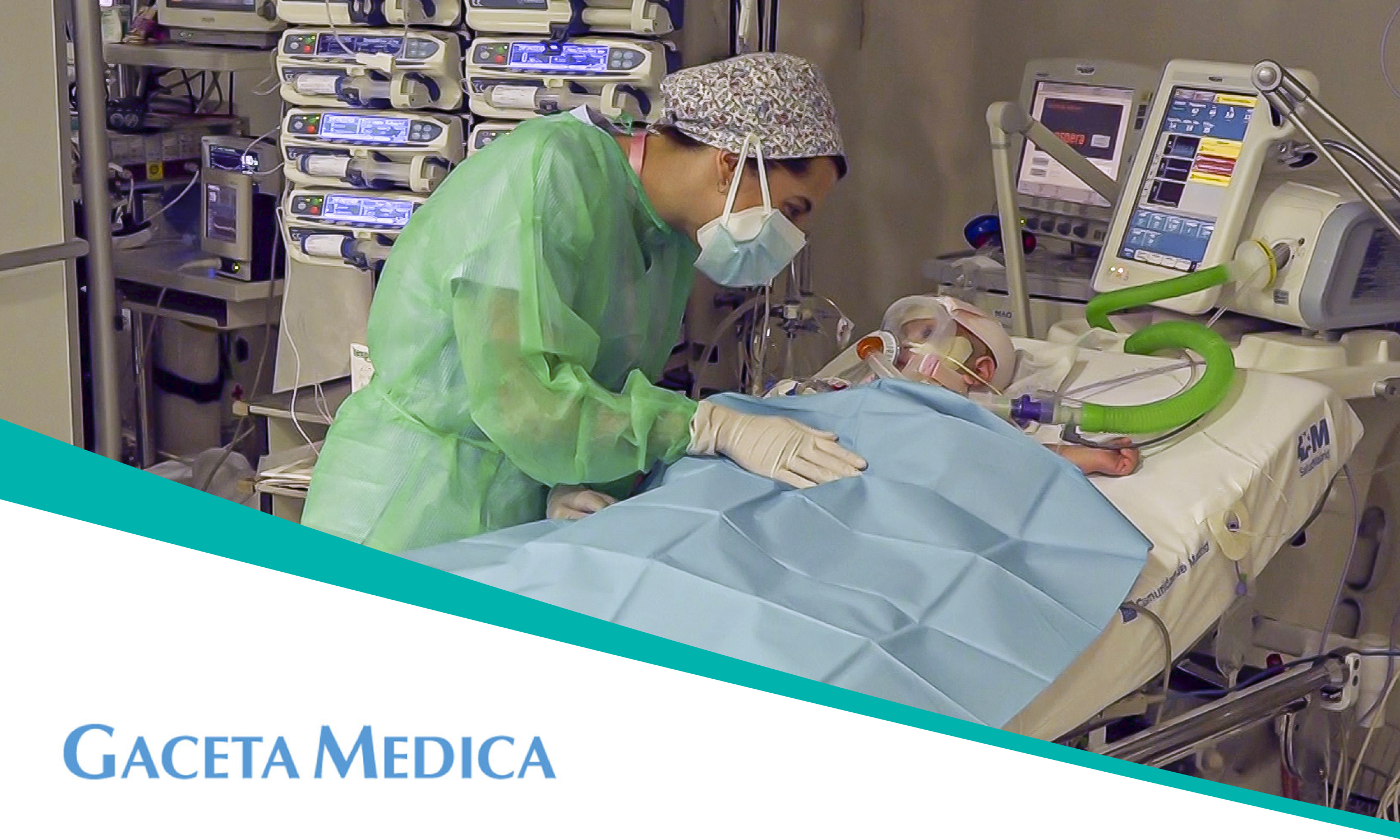
It is a cell therapy that “rescues” Treg cells from thymic tissue, helping to regulate the immune response in a sustained manner.
Although organ transplantation is one of medicine’s greatest achievements and has saved thousands of lives, it is not a definitive solution because of immune rejection. As a result, most transplanted organs last fewer than 20 years. While this may be acceptable for some adult patients, it offers a far less hopeful outlook for children, often leading to additional risks and the need for repeat transplants. However, Hospital General Universitario Gregorio Marañón has addressed this challenge through a research project launched seven years ago.
The objective was clear: to make transplants last a lifetime. “This led us to develop a completely innovative, pioneering, and world-unique cell therapy, developed entirely in our hospital. The important news today is that we have already treated three babies with this therapy,” said Rafael Correa, Head of the hospital’s Immunoregulation Laboratory.
Although the results are still preliminary, Correa described them as “very encouraging” and suggested they could open “a new era in the clinical management of immune rejection.” The breakthrough lies in extending the balance between regulatory T cells (Treg) and effector T cells, whose imbalance leads to rejection.
The scientific community had already proposed administering regulatory cells externally to increase their numbers and mitigate immune imbalance. However, when these cells were extracted from blood and cultured in the laboratory, their effectiveness was limited. In adults, blood-derived Treg cells are often aged and short-lived. In children, the challenge is the limited volume of blood that can be safely drawn.
At this crossroads, the Marañón team took a different and groundbreaking approach. “We went to the source where regulatory cells are produced: thymic tissue. The thymus is highly active during childhood and relatively large, but it shrinks and loses activity after adolescence, and nearly disappears in adulthood,” Correa explained.
Evidence of Improvement and Broader Applications
One of the major surprises during cell isolation was the sheer number of cells that could be obtained from a single thymus. “In children’s thymuses, we were able to obtain up to 10 billion regulatory cells,” Correa noted. The second major surprise was their durability and strength. “These cells persist much longer than blood-derived cells and have much stronger regulatory capacity, making them perfect candidates for therapy.”
This discovery led to a clinical trial that has delivered highly promising results. Under conventional immunosuppressive treatment, regulatory cells typically decline during the first year, tipping the balance toward effector cells and increasing the risk of rejection. In contrast, the first patient treated with thymus-derived regulatory cells developed a large and stable reserve, preserving immune balance.
“The most important result is that nine months after transplantation, this child’s heart is functioning perfectly, with no signs of rejection,” Correa stated.
This marks the first time worldwide that a cell therapy has been performed in transplanted children — and the first time thymus-derived regulatory T cells have been used in humans.
An additional advantage is the ability to obtain large numbers of doses, freeze them, and administer them later either to the same patient or potentially to others. “We are also exploring the use of this therapy not only in pediatric heart transplant patients but in other conditions such as COVID-19,” Correa added, noting that immune imbalance is one of the main causes of mortality in severe COVID cases.
Recognition of Innovation
Beatriz Domínguez-Gil, Director of the Organización Nacional de Trasplantes (ONT), highlighted the significance of the project, especially during a challenging year marked by the pandemic. She emphasized that improving transplant quality and outcomes must go hand in hand with innovation.
She identified the generation of immunological tolerance — enabling the transplanted organ to integrate seamlessly into the recipient’s immune system — as the ultimate goal. “We are talking about future patients without immunosuppressive therapy, reducing side effects and potentially lowering transplant waiting lists,” she said.
The Regional Minister of Health of the Community of Madrid, Enrique Ruiz Escudero, praised the hospital’s achievement as “an unprecedented medical breakthrough.” He reaffirmed the regional government’s commitment to supporting healthcare research and acknowledged the dedication of healthcare professionals in advancing innovation and improving patient care.
More info: gacetamedica.com