
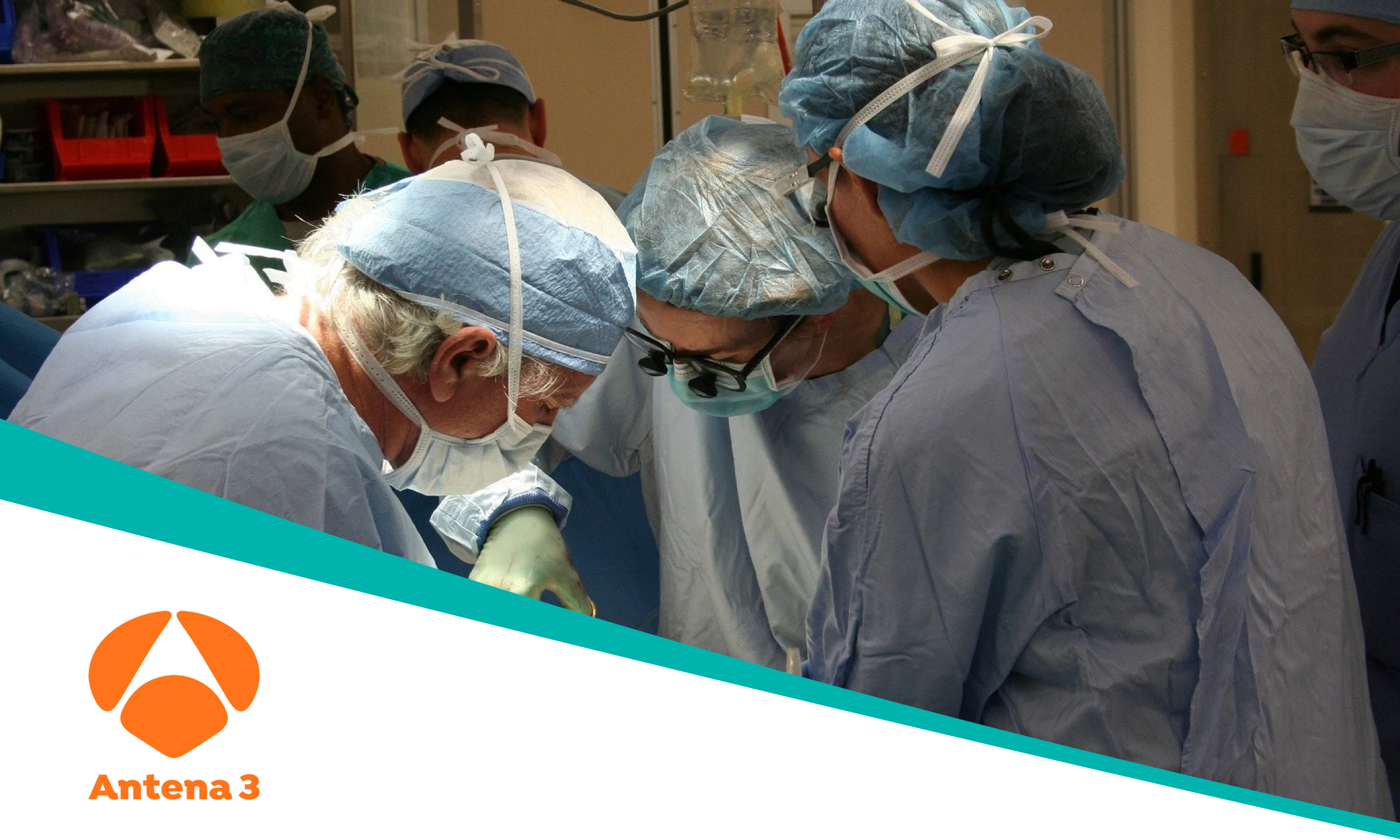
A group of researchers at Hospital General Universitario Gregorio Marañón (Madrid) has developed a pioneering cell-based treatment to prevent transplant rejection. The therapy helps prevent immune rejection and may extend the survival of transplanted organs indefinitely.
The first patient treated was six-month-old Irene, who is progressing favorably.
The treatment has been developed entirely at the hospital over the past six years and is expected to be implemented in other hospitals in the Madrid region in the near future. Three infant heart transplant recipients are already being treated with this technique and are showing positive clinical progress.
What Does the Treatment Involve?
The cellular therapy aims to prevent immune rejection and potentially extend the survival of the transplanted organ, thereby improving the patient’s quality of life.
According to the research team, the new technique uses regulatory T cells derived from thymic tissue (known as thyTreg cells) with the goal of preventing organ rejection and ultimately eliminating the need for immunosuppressive drugs.
The study is supported by the Organización Nacional de Trasplantes (ONT) and has the endorsement of the Canadian Donation and Transplantation Research Program.
A Six-Month-Old Girl, the First Patient
The first patient was six-month-old Irene, who was born with a congenital heart condition requiring heart transplantation. Following the transplant and treatment, she is progressing favorably in terms of her immune response.
Researchers are currently evaluating how thyTreg therapy may reduce the risk of rejection of her new heart, particularly during the first year after surgery — considered the most critical period.
More info: antena3.com