
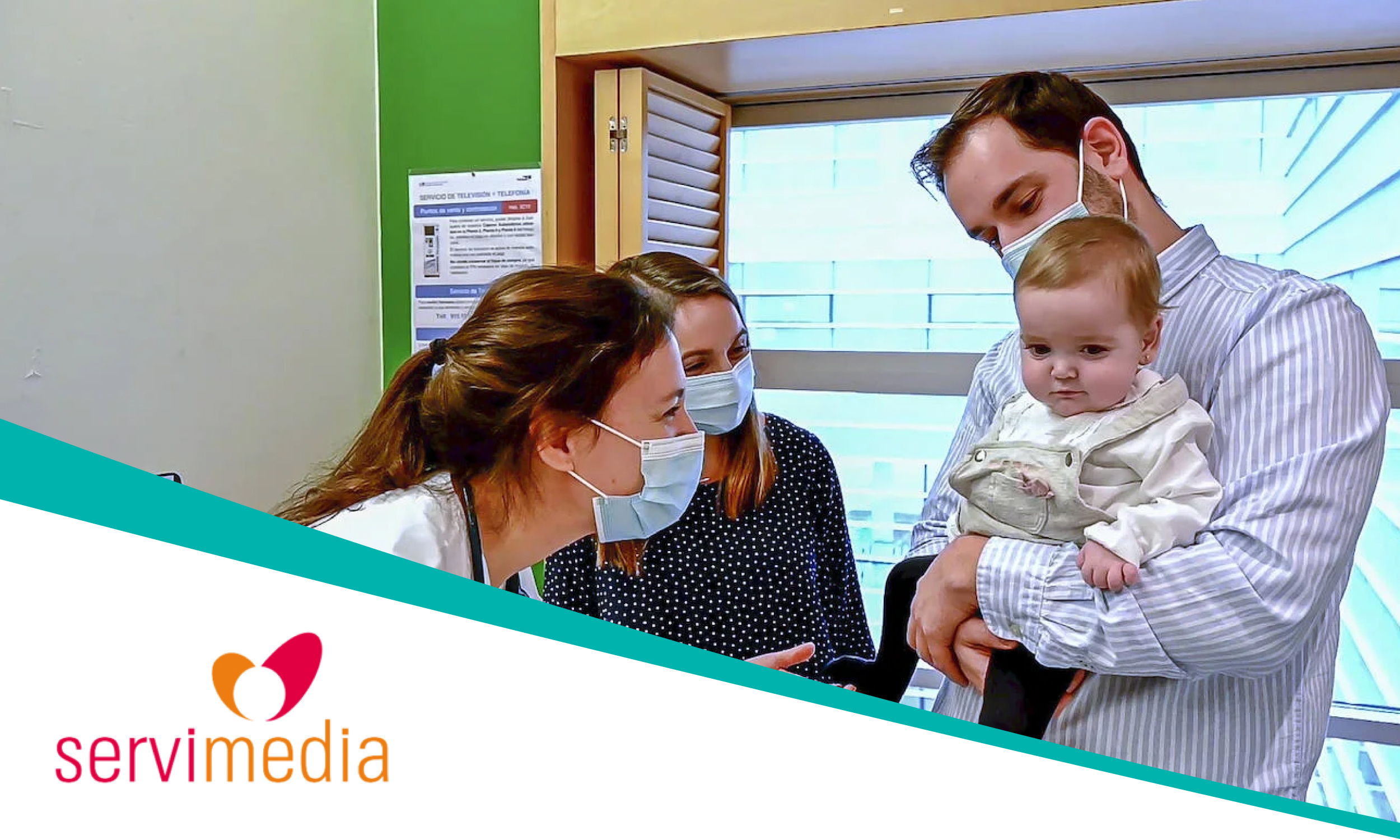
Researchers at Hospital General Universitario Gregorio Marañón have developed a world-pioneering cell-based therapy to prevent immune rejection in organ transplantation and potentially extend indefinitely the survival of transplanted organs — and therefore the lives of patients. Three infants are already being treated at the hospital.
The therapy and underlying technology were developed by the hospital’s Immunoregulation Laboratory and could establish a new paradigm in the treatment of multiple severe diseases.
At a press conference, the laboratory’s director, Dr. Rafael Correa Rocha, stated that “organ transplantation is one of the great milestones of modern medicine and saves thousands of lives every year.” However, he noted that transplantation “is not a definitive solution because of immune rejection.”
From the moment a transplant is performed, “a countdown begins in which, sooner or later, the organ is rejected by the body’s immune defenses. As a result, most transplanted organs last fewer than 20 years.”
In fact, half of pediatric heart transplants fail before 15 years, putting patients’ lives at risk and often requiring another transplant, Dr. Correa explained.
This new cell therapy may regulate the immune response and prevent rejection. Three infants are already receiving treatment, and its goal is to extend indefinitely the survival of the transplanted organ and the life of the patient.
Support from Spain and Canada
The project is supported by Spain’s Organización Nacional de Trasplantes (ONT) and its Canadian counterpart.
ONT Director Beatriz Domínguez-Gil highlighted that “once again, the Community of Madrid is at the forefront of this type of research, and once again, Gregorio Marañón Hospital is leading in pediatric heart transplantation.”
“With a transplant, we transform a patient with end-stage organ failure into someone who requires lifelong immunosuppressive treatment, with all its consequences,” she explained. “What this new project promises is precisely what we should aspire to: the generation of immunological tolerance — enabling the transplanted organ to integrate into the recipient’s body so that it is no longer attacked by the immune system.”
The Regional Minister of Health of the Community of Madrid, Enrique Ruiz Escudero, also attended the presentation and described the development as “another major achievement of Spanish healthcare, led by professionals of the Madrid Health Service and, this time, by Gregorio Marañón Hospital.”
He emphasized that three transplanted infants are already receiving the therapy and evolving favorably. One of them, nine months after starting treatment, continues to show no signs of rejection and maintains adequate levels of regulatory cells. “We are witnessing an unprecedented medical breakthrough,” he stated.
Irene: The First Patient
Of the three children treated so far, the first was six-month-old Irene, born with a congenital heart defect requiring transplantation. She became the first patient in the world to receive this innovative therapy following a heart transplant at Gregorio Marañón Hospital.
Irene is progressing favorably in her immune response. Researchers are closely monitoring how thyTreg therapy may reduce the risk of rejection, particularly during the first post-transplant year — the most critical period.
In the months following therapy, Irene has shown higher levels of Treg cells than typically observed in comparable patients who did not receive cell therapy. The presence of these cells appears to be controlling inflammatory mechanisms and immune cell proliferation that could trigger rejection.
Inducing tolerance by “re-educating” the recipient’s immune system could significantly improve graft survival, extend life expectancy, and provide hope to families facing extremely difficult circumstances. Achieving lifelong organ transplantation would have enormous medical, economic, and social impact.
Dr. Correa concluded: “We are witnessing an unprecedented medical advance that could establish a new paradigm. At a time when advanced cell therapies are radically transforming cancer treatment, our therapy harnesses and enhances the body’s intrinsic immune mechanisms to restore tolerance and immune balance — without drugs.”
More info: servimedia.es