
Hospital General Universitario Gregorio Marañón has developed a cell-based treatment that prevents organ rejection without causing side effects, as it does not rely on immunosuppressive drugs.
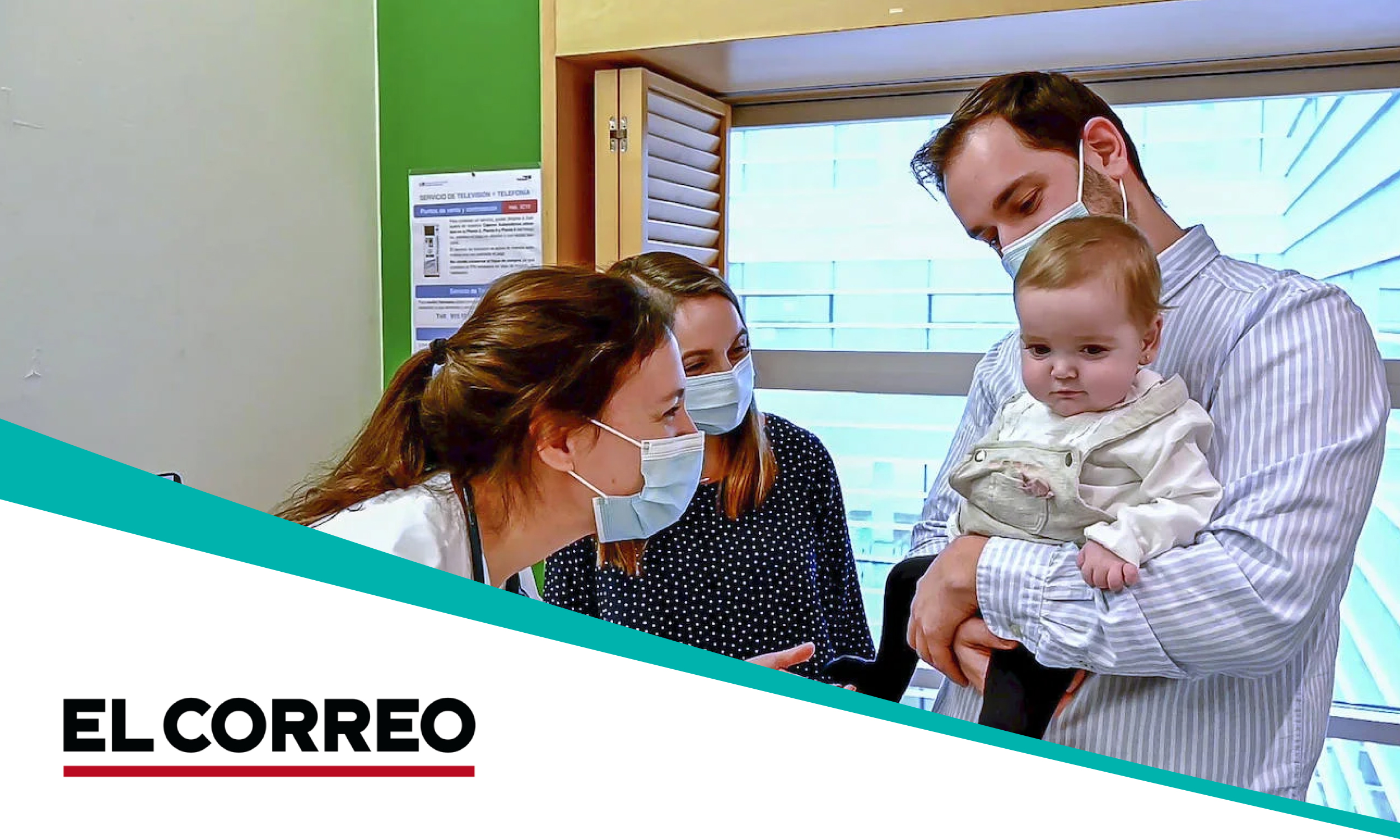
Irene Toribios González was born six months ago at the Madrid hospital with a congenital heart defect incompatible with life, requiring an urgent heart transplant. Under normal circumstances, after receiving a new heart, Irene would have faced a high risk of rejection, as the immune system naturally attacks any foreign tissue. Even in the best-case scenario, after aggressive medication, her body would have only partially tolerated the new organ. She would have needed years of immunosuppressive treatment—drugs associated with serious side effects—and, sooner or later, another transplant after eventual rejection. The average lifespan of a transplanted organ ranges from 10 to 17 years, depending on the organ and patient conditions. Until now, every transplant had an expiration date.
However, Irene’s heart now beats normally—and, on paper, without an expiration date. The baby appears radiant and healthy. Not only has she shown no signs of rejection, but her immune system has accepted the new heart as if it were her own. Crucially, she has done so without taking immunosuppressive drugs. These medications typically suppress acute inflammatory responses associated with rejection but do so broadly and non-specifically, often weakening the body’s defenses against infections and even cancer. In saving patients from rejection, they can leave them vulnerable.
Three infants with transplanted hearts are evolving favorably with this world-first technique. None of them has required immunosuppressive medication to prevent rejection.
This is not a miracle—it is the result of groundbreaking research led by the Immunoregulation Laboratory at Gregorio Marañón, supported by the Organización Nacional de Trasplantes (ONT) and its Canadian counterpart. The therapy opens the door to something previously unimaginable: the possibility that a transplanted organ—and the patient who receives it—may have no defined lifespan limit.
The key lies in a cell therapy based on so-called “thyTreg” cells, derived from the patient’s own thymic tissue. These cells prevent rejection by restoring immune balance without drugs, effectively “re-educating” the immune system so it no longer sees the transplanted organ as foreign.
Regulatory T cell therapies have been explored elsewhere, but with significant limitations. Treg cells obtained from blood offer limited therapeutic value. In adults, their quantity and quality are low, and they are often aged. In children, although Treg cells are of better quality, the volume that can be safely extracted from blood is insufficient.
Researchers at Gregorio Marañón overcame both challenges by sourcing Treg cells from the thymus, a tissue located above the heart that is routinely removed and discarded during pediatric cardiac surgery. These thymus-derived Treg cells (thyTreg) possess unique properties and high regulatory capacity. Thanks to a protocol developed by Rafael Correa and his team, including Esther Bernaldo de Quirós and Marjorie Pion, it is possible to obtain thousands of times more cells than from blood.
This work represents the first clinical trial worldwide to apply Treg therapy in transplanted children and the first to use thymus-derived thyTreg cells instead of blood-derived Treg cells. By achieving greater quantity and quality of cells, the therapy becomes viable in pediatric patients.
The result: restoration of proper immune balance and significant reduction—or even complete inhibition—of the immune responses responsible for rejection, potentially allowing indefinite survival of the transplanted organ. Because the therapy uses the patient’s own cells, side effects are minimal, making short-term implementation in Spanish hospitals feasible. This could further strengthen Spain’s position as a global leader in organ donation and transplantation.
“Achieving lifelong organ transplants would have an enormous medical, economic, and social impact,” says Rafael Correa.
Irene is living proof of success. She now shows higher levels of Treg cells than comparable patients who did not receive the therapy. These cells appear to be keeping inflammatory mechanisms and immune proliferation that could trigger rejection under control.
An Expanding Therapeutic Horizon
The implications extend beyond transplantation. According to Correa, this breakthrough may establish a new paradigm in treating severe diseases. The therapy leverages intrinsic immune mechanisms to restore tolerance without drugs.
Researchers believe it could potentially be applied to autoimmune diseases, Crohn’s disease, graft-versus-host disease, and even severe immune hyperactivation seen in critical COVID-19 cases.
If confirmed in larger studies, this innovation could mark the beginning of a new era—not only in transplantation, but in immune-mediated disease treatment as a whole.
More info: elcorreo.com