
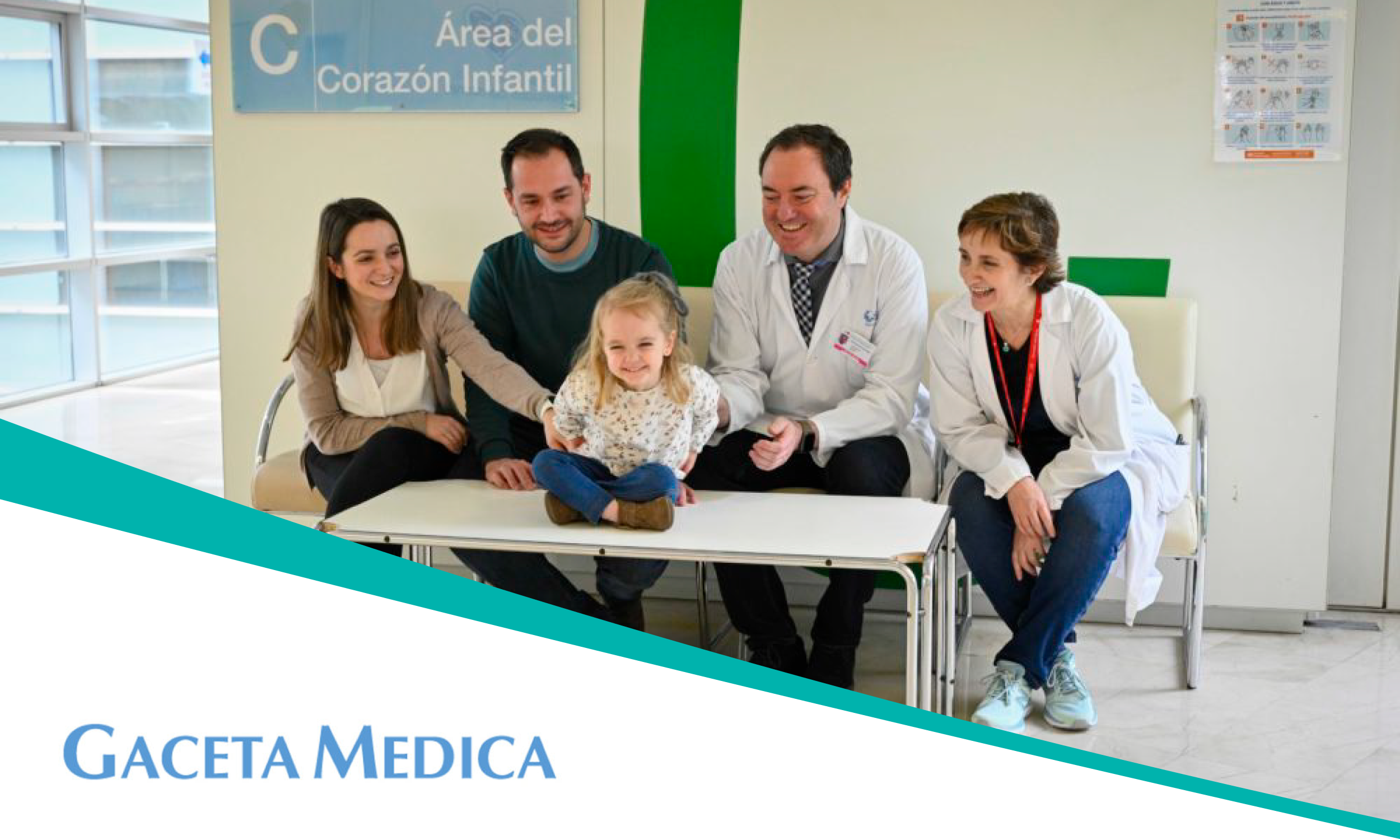
Researchers from the Immunoregulation Laboratory at Hospital General Universitario Gregorio Marañón have developed a treatment unique worldwide based on a cellular therapy using thyTreg cells to prevent immune rejection and potentially extend the survival of the transplanted organ indefinitely, thereby prolonging the patient’s life.
To date, seven infants who underwent heart transplantation have been successfully treated. Preliminary results suggest that a single administration of this therapy can restore immune balance and may prevent acute organ rejection in these children.
Recent scientific studies have demonstrated that the immune system possesses an intrinsic regulatory or tolerance mechanism mediated by regulatory T cells (Tregs), which control and reduce inappropriate inflammatory responses. Various centers worldwide have attempted to harness the regulatory properties of these cells by developing cellular therapies using Tregs obtained from patients’ blood. Although numerous clinical trials have demonstrated the safety of these autologous therapies, the expected therapeutic efficacy has not been achieved due to the low quantity and reduced functional quality of the “aged” Tregs obtained from adult blood.
In pediatric patients, although Treg quality is presumed to be superior, this therapy had been unfeasible due to the extremely limited number of Tregs that can be obtained from the small blood volumes safely extracted from children.
For the past ten years, the Immunoregulation Laboratory at the Gregorio Marañón Health Research Institute (IISGM), led by Rafael Correa Rocha, has investigated how to obtain large quantities of high-quality Tregs from an alternative source to blood, enabling pediatric patients to access this type of advanced therapy. The research conducted by Esther Bernaldo de Quirós and members of Rafael Correa Rocha’s team has led to the development of an entirely new strategy to manufacture therapeutic doses of Treg cells from thymic tissue — a tissue that covers the heart and is routinely discarded during pediatric cardiac surgeries.
Tregs derived from thymic tissue (thyTregs) possess unique properties and a very high regulatory capacity. The protocol developed by the group enables the production of thousands of times more cells than can be obtained from blood. This team is pioneering the therapeutic use of thyTreg cells in patients and, together with the Pediatric Heart Area and the Pediatric ICU at Hospital Gregorio Marañón, launched a clinical trial three years ago evaluating thyTreg therapy to prevent rejection in infants undergoing heart transplantation.
This trial is the first worldwide to administer Treg therapy in transplanted children and, notably, the first to use thymic-derived thyTregs in humans instead of blood-derived Tregs. This approach allows for a substantially higher number of cells of superior quality, making advanced cell therapy feasible in pediatric patients.
This therapeutic strategy may restore proper immune balance and could completely inhibit or significantly reduce the immune responses responsible for rejection, potentially extending graft viability indefinitely and prolonging patient survival. As the therapy uses the patient’s own cells, side effects are minimal. The treatment could be implemented in hospitals in the near term, improving graft survival rates in a country that leads the world in organ donation and transplantation.
First transplanted patient
Irene, six months old, was born with a congenital heart condition requiring heart transplantation and became the first patient worldwide to receive this innovative therapy following her transplant at Hospital Gregorio Marañón.
One week after transplantation, she received a single dose of her own thyTreg cells and has been closely monitored for two years to assess whether the therapy could reduce the risk of rejecting her new heart.
During this period, Irene has shown higher levels of circulating Treg cells compared to pediatric heart transplant recipients who did not receive thyTreg therapy. The presence of these cells has helped maintain control over the immunological mechanisms that could trigger rejection. Importantly, no signs of rejection have been detected during the two-year post-transplant period, which is typically associated with the highest incidence of rejection in these patients.
Inducing tolerance by “re-educating” the recipient’s immune response through this strategy could address the long-term graft survival challenge, significantly extending life expectancy and offering hope to families facing particularly dramatic clinical situations. Achieving lifelong graft tolerance would have a profound medical, economic, and social impact.
“We are witnessing an unprecedented medical advance that could establish a new paradigm in the treatment of severe diseases. In the era of advanced cell therapies that are radically transforming the prognosis of cancer patients, our cellular therapy harnesses and enhances intrinsic mechanisms provided by specific immune cells to restore immune tolerance without the use of drugs. We firmly believe this therapy could represent a true revolution, enabling effective treatment of serious conditions such as transplant rejection, autoimmune diseases, graft-versus-host disease, and even hyperinflammatory syndromes responsible for many ICU admissions due to respiratory distress. The initial results obtained so far confirm the therapy’s safety and suggest it may be highly effective in controlling unwanted immune responses, positioning our country at the forefront of this major clinical breakthrough,” explains Rafael Correa Rocha, Director of the Immunoregulation Laboratory at Hospital Gregorio Marañón.
More info: gacetamedica.com