About Us

ThyTech® is a 2022 spin-off of Hospital General Universitario Gregorio Marañón (IISGM, Madrid) focused on the development of innovative cell-based therapies based on regulatory T cells (Tregs) for patients with severe immune-mediated and inflammatory disorders.

The project builds on years of clinical and translational research conducted at the Immunoregulation Laboratory, led by Dr. Rafael Correa-Rocha. This body of work has enabled the transition from fundamental research to clinical application, representing a notable example of knowledge transfer from the public healthcare system to biomedical innovation. The company is led by its CEO, Marisa Berenguer, who comes from Farmalider and plays a key role in driving the strategic and business development of the Project.

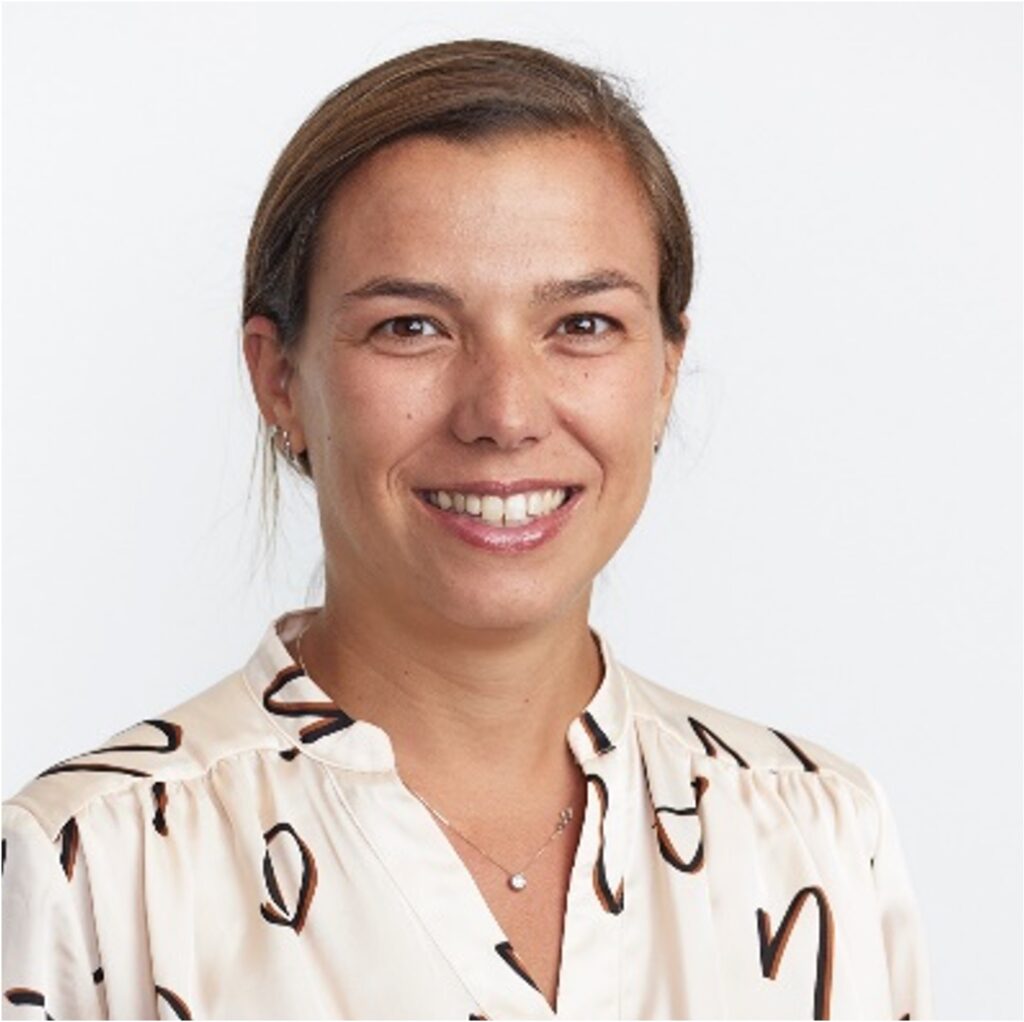
Marisa Berenguer
CEO Farmalider & Thytech

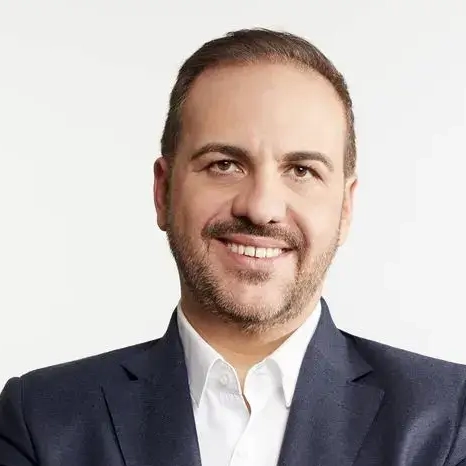
Rafael Correa Rocha, PhD
CSO & Board Member

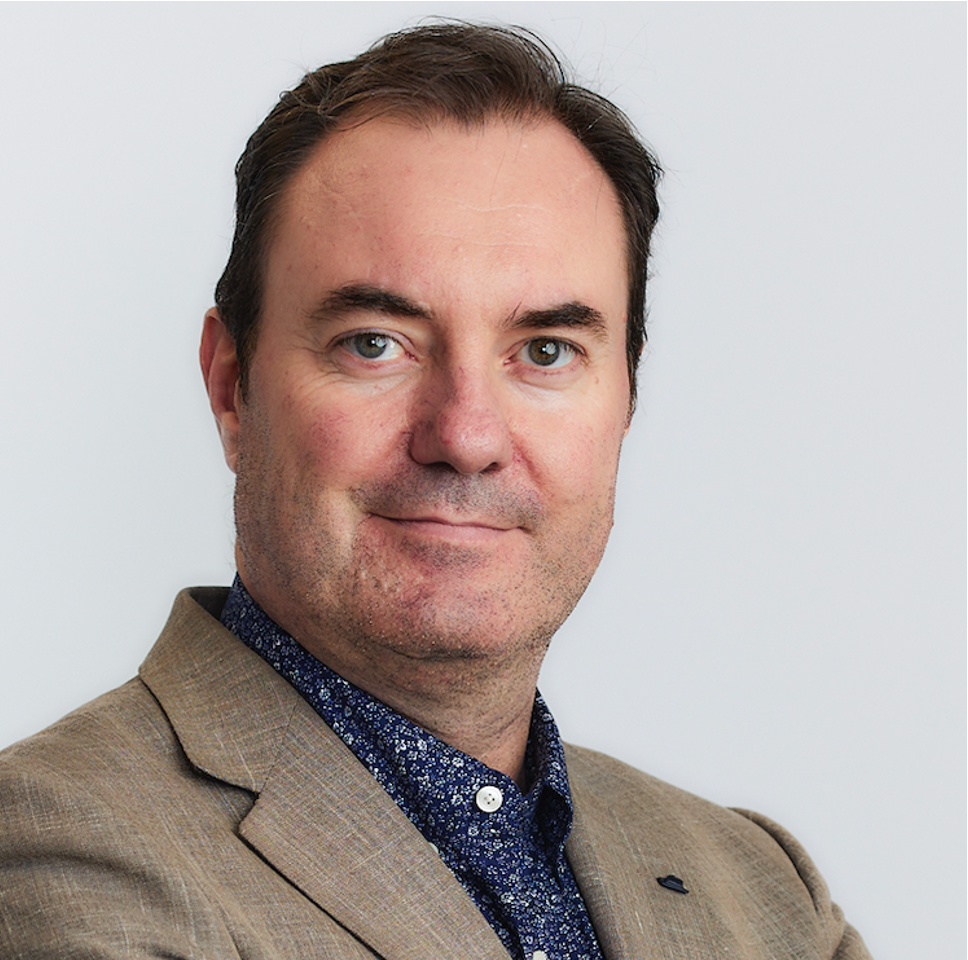
José Ángel Sánchez, PhD
CIO Biotechnology Farmalider

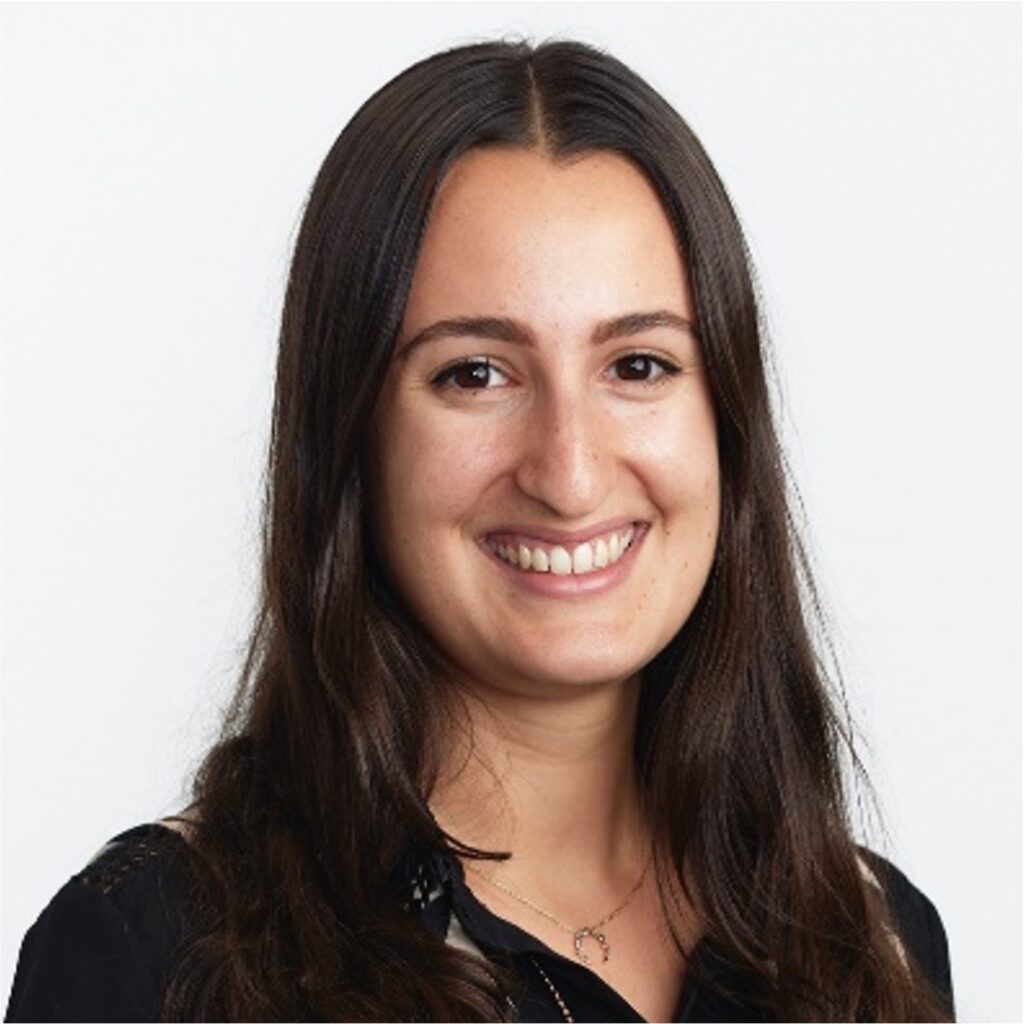
Marjorie Pion, PhD
Head of Genetic Engineering Program for Cell Therapy

Marta Martínez Bonet, PhD
Head of Characterization & Manufacturing Sciences

Esther Bernaldo de Quirós, PhD
Head of Process Development & Quality Control

Oscar Aguilar Sopeña, PhD
Senior Research Scientist, R&D

Our Technology

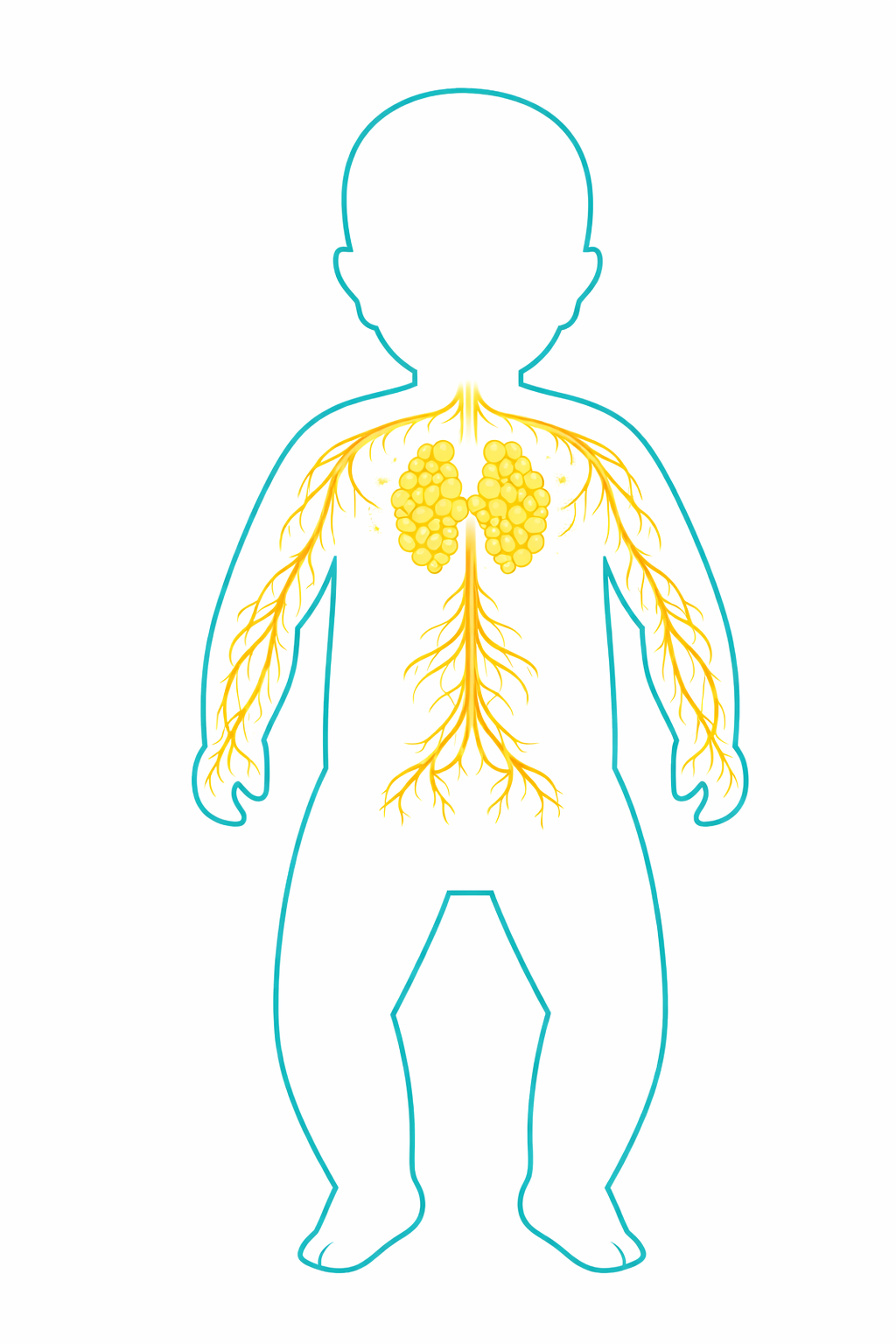
ThyTech’s technology is based on the therapeutic use of pediatric thymic tissue, a biological material that is routinely discarded during certain pediatric cardiac surgeries.

Why the thymus?

Tregs generated in the thymus—the body’s richest source of bona fide regulatory T cells-are naïve-like, with stable lineage and superior persistence and function versus peripherally sourced Tregs.

A single thymus yields substantially more Tregs than adult blood or cord blood, with a naïve, stable phenotype ideal for manufacturing. Our standardized, GMP- enabled process turns this supply into scalable, true off-the-shelf thyTregs® with consistent quality.

In neonatal/paediatric cardiac surgery, the thymus is often removed for access and routinely discarded. With consent and ethical oversight, this creates a reliable, ethically sourced supply for our platform.

Building on this approach, ThyTech® is developing thyTregs™, a cell therapy platform based on regulatory T cells derived from thymic tissue.

Intellectual property

  • WO2019166658: Cell population, clinical use and production method claimed in, pending in CA and CN. Granted in Europe, Australia, JP, US and Hong-Kong.
  • WO2024240903: CAR-ThyTreg® cells, compositions and uses thereof in immunotherapy.

What do Tregs do?

Control inflammation & restore homeostasis: restrain excessive effector responses and promote resolution/repair to return tissues to steady state.

Enable clinical tolerance: reduce immune-related complications such as GVHD, organ transplant rejection, and autoimmune flares by maintaining self- and allo-tolerance.

First Clinical Application

The first clinical application of this technology focuses on the prevention of graft rejection in pediatric heart transplantation, one of the major challenges in translational medicine.

Currently, transplant recipients require lifelong immunosuppressive therapy to prevent organ rejection. While these treatments are essential, they are associated with significant long-term adverse effects, particularly in pediatric patients.

In this context, the therapy being developed by ThyTech aims to introduce a more targeted approach to immune regulation, with the potential to promote transplant tolerance and, in the future, reduce the long-term dependence on systemic immunosuppressive drugs.

Initial clinical results obtained with thyTregs™ in pediatric heart transplant patients have shown promising outcomes in terms of safety, tolerability, and absence of graft rejection.

Although these findings remain preliminary, they reinforce the potential of this therapeutic strategy and support the continued clinical development of the platform.

Expansion Potential

Beyond pediatric heart transplantation, ThyTech’s technology platform has significant potential for expansion into other clinical indications, including:

  • Other solid organ transplants
  • Autoimmune diseases
  • Severe inflammatory diseases
  • Chronic inflammatory disorders
 

These potential applications could benefit both pediatric and adult patients, significantly broadening the potential impact of Treg-based cellular therapies.

Development and Strategic Collaboration

ThyTech is currently working to strengthen its scientific, clinical, and industrial capabilities in order to advance toward the next stages of development.

In this process, the company is supported by Farmalider, a Spanish pharmaceutical-biotechnology company with more than four decades of experience in pharmaceutical development, industrial manufacturing, and international regulatory processes.

This collaboration is aimed at reinforcing the company’s growth structure across executive, regulatory, technical, and industrial domains.

Farmalider contributes business development expertise, regulatory support, technical guidance, and industrial manufacturing capabilities under international quality standards. The objective is to facilitate the consolidation of ThyTech and support the evolution of the project toward a more scalable, reproducible, and development-ready model.