
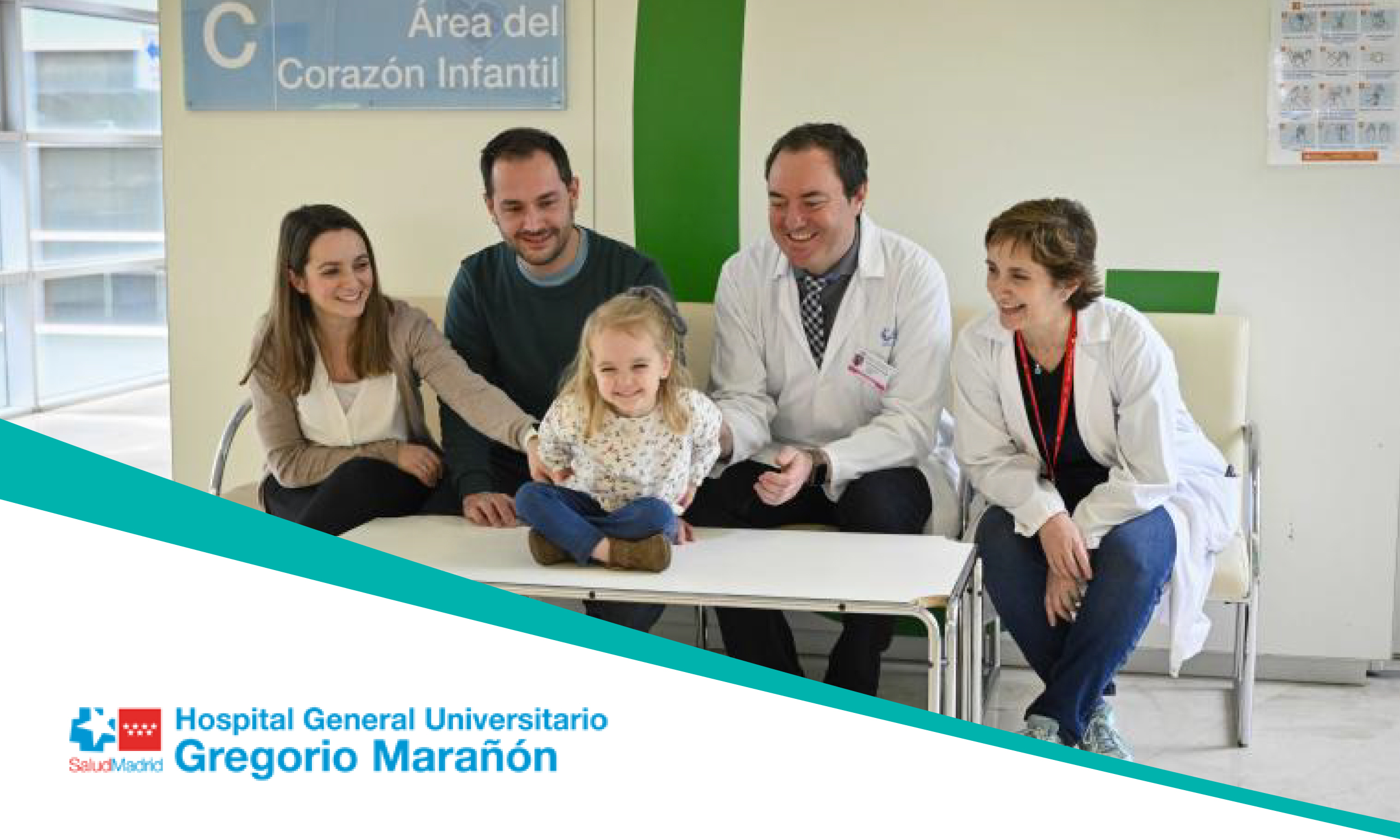
Gregorio Marañón Hospital, a public healthcare institution in the Community of Madrid, has completed the world’s first clinical trial using thymus-derived regulatory T cells (thyTreg) in children undergoing heart transplantation. This innovative strategy could transform the management of immune rejection in pediatric transplant recipients.
Preliminary results from the study show that a single administration of this cell therapy, delivered a few days after transplantation, enables patients to maintain a larger pool of regulatory T cells (Tregs) for months. These cells play a key role in promoting immune tolerance to the newly transplanted organ. None of the treated patients who have completed two years of follow-up have shown signs of rejection.
Although researchers emphasize that the absence of rejection cannot yet be attributed exclusively to this therapy, the data suggest that boosting regulatory T cells may help reduce the risk of acute rejection during the most critical period following transplantation.
The research, initiated in 2019, was conducted by the Immunoregulation Laboratory of the Gregorio Marañón Health Research Institute (IiSGM) and the Pediatric Cardiology Department of the Gregorio Marañón Maternal and Child Hospital.
A pioneering therapy based on the patient’s own thymus
The trial evaluates a strategy based on regulatory T cells (Tregs), a type of immune cell essential for maintaining immune system balance and preventing uncontrolled immune responses. The discovery of these cells was recognized with the 2025 Nobel Prize in Physiology or Medicine.
The main innovation of the study lies in the origin of these cells. For the first time, researchers used thymic tissue—typically removed during pediatric cardiac surgery and routinely discarded—as a source of highly stable and potent regulatory T cells. These cells, known as thyTregs, are isolated, processed, and later administered back to the same patient to enhance the body’s natural ability to accept the transplanted organ.
Preliminary results from this Phase I/IIa trial confirm both the technical feasibility and safety profile of the procedure. To date, ten children under the age of two have received the therapy, and six have already completed two years of post-transplant clinical follow-up.
During the first six months after surgery—the period of highest risk for acute rejection—treated patients maintained significantly higher levels of circulating Tregs compared with patients who did not receive the therapy. In some cases, these levels remained above pre-transplant values for as long as two years.
Furthermore, none of the patients developed donor-specific antibodies, one of the main triggers of immune-mediated rejection.
Towards reducing immunosuppression
Rejection remains the primary challenge in organ transplantation. While immunosuppressive treatments have dramatically improved graft survival, their long-term use can lead to significant side effects, particularly in children.
In this context, Treg-based cellular therapies represent one of the most promising avenues in precision medicine applied to transplantation. However, previous trials using Tregs obtained from peripheral blood demonstrated limited efficacy and posed major challenges in pediatric patients due to the large blood volumes required.
The use of thymus-derived cells could overcome these limitations and provide a more powerful and targeted tool for inducing immune tolerance.
Following these encouraging results, the team led by Dr. Rafael Correa, Director of the Marañón Immunoregulation Laboratory, together with Dr. Manuela Camino, Dr. Nuria Gil, and specialists from the Pediatric Cardiac Surgery Department, is already preparing new clinical trials. The next objective will be to evaluate whether additional doses of thyTregs can not only sustain protection against rejection but also progressively reduce the need for immunosuppressive drugs without compromising immune stability or the patient’s ability to maintain long-term acceptance of the transplanted organ.
At the same time, the group has advanced the development of allogeneic thyTreg strategies, which could extend the application of this therapy to adult patients and to children for whom thymic tissue is not available.
The significance of these findings has already attracted the attention of leading international institutions and scientific societies, including Harvard University, Massachusetts General Hospital, the Spanish Society of Transplantation, and the Spanish Society of Pediatric Cardiology and Congenital Heart Disease. These organizations have invited the research team to present their findings at scientific congresses and meetings held in recent weeks.
Read more: Hospital General Universitario Gregorio Marañón