
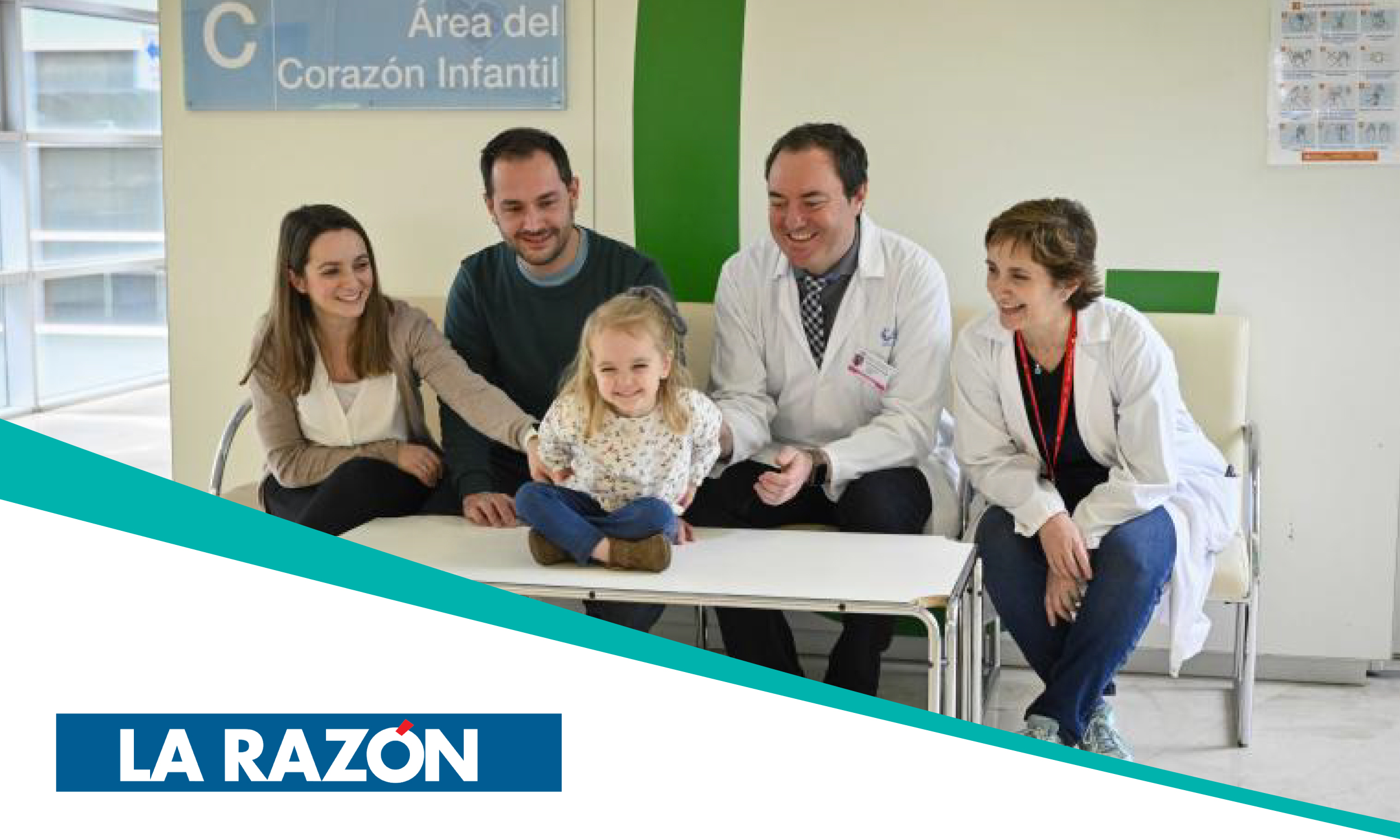
Researchers at Gregorio Marañón Hospital in Madrid have completed the world’s first clinical trial using thymus-derived regulatory T cells (thyTregs) in children who have undergone heart transplantation. The innovative therapy aims to help the immune system accept the transplanted organ and reduce the risk of rejection.
Preliminary results are highly encouraging. Ten children under the age of two have received the treatment, and none of the six patients who have completed two years of follow-up have shown signs of rejection. The therapy also increased levels of regulatory T cells during the period of highest rejection risk, and no patient developed donor-specific antibodies, a major trigger of immune rejection.
The treatment uses cells obtained from thymic tissue that is normally removed and discarded during pediatric heart surgery. These cells are processed and returned to the patient to enhance immune tolerance toward the transplanted heart.
One of the first recipients, Irene, who received a heart transplant in 2020, is now attending school and living a largely normal life despite the precautions required for immunosuppressed children.
Researchers believe this approach could eventually reduce the need for long-term immunosuppressive drugs, which can cause significant side effects in children. New clinical trials are already being planned to evaluate additional thyTreg doses and their potential to further decrease reliance on immunosuppressive medication.
The study, led by Dr. Rafael Correa and colleagues at the Gregorio Marañón Health Research Institute (IiSGM), has attracted international attention from institutions including Harvard University and Massachusetts General Hospital, highlighting its potential to transform pediatric transplant medicine.
Read more: larazon.es